
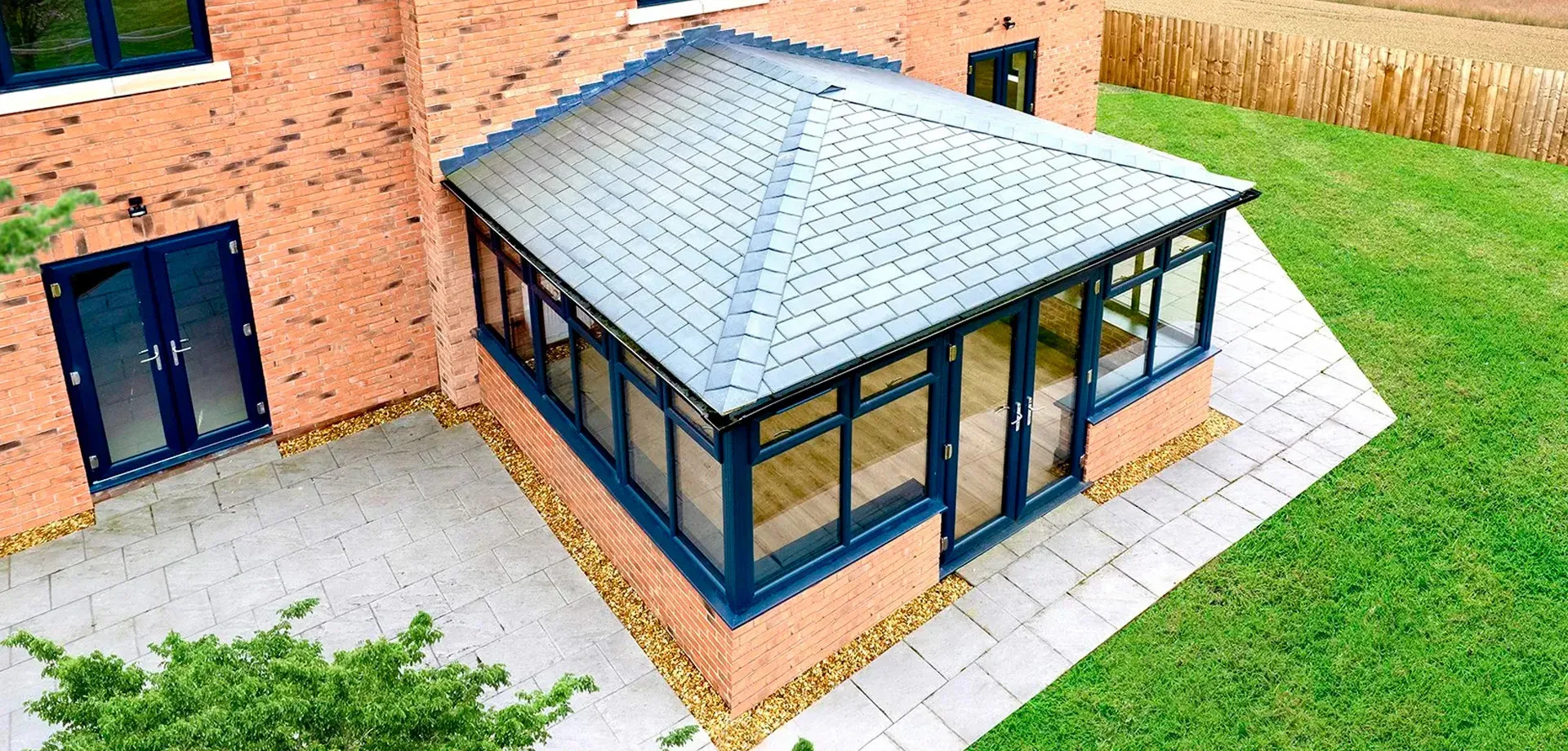
A conservatory can be a fantastic addition to your home, providing extra space for relaxing, dining or spending time with family. However, when temperatures drop, many homeowners find their conservatory becomes too cold to use comfortably.
If you notice chilly draughts, condensation, or a room that loses heat quickly, there could be several reasons. The good news is that you may not need to replace your entire conservatory to make a difference.
At Direct Windows North East, we help homeowners across the North East improve their homes with energy-efficient windows, doors and innovative LEKA warm conservatory roofs. Here are seven things to check if your conservatory is struggling to stay warm this winter.
1. Check Your Conservatory Roof Insulation
One of the first things to investigate is your conservatory roof. Older conservatories often feature polycarbonate or standard glazed roofs that provide limited insulation compared with modern insulated roofing systems.
Because the roof covers such a large area, poor thermal performance can increase heat loss and make the room hard to keep warm. You might notice your conservatory feels comfortable when the heating is on but cools down again shortly afterwards.
Could a LEKA Warm Roof Help?
Replacing an outdated roof with a modern insulated system can help improve your conservatory’s thermal performance.
At Direct Windows North East, we manufacture and install LEKA warm conservatory roofs designed to improve insulation and help maintain a more comfortable indoor temperature year-round.
These lightweight roofing systems combine advanced insulation with a durable GRP structure. Their design allows an existing conservatory to be upgraded without automatically requiring a complete replacement, provided the existing structure is suitable.
Benefits of a LEKA warm roof include:
- Improved thermal performance: Helps reduce heat loss and retain warmth during colder weather.
- Greater year-round comfort: Helps create a space that is more practical to use in winter and summer.
- A stylish finish: Lightweight tiles are available in a range of colours to complement your property.
- Less disruption: The prefabricated system can often be installed within a few days, depending on the project.
If your conservatory is often too cold to enjoy, upgrading the roof is a great place to start.
Find out more about our LEKA warm conservatory roofs.
2. Look for Signs of Inefficient or Damaged Windows
Your conservatory windows also play an important role in keeping the space warm. Older glazing may not insulate as well as modern, energy-efficient alternatives, and worn seals can let cold air in.
Look out for cold spots near the windows, noticeable draughts around the frames or condensation forming on the inside of the glass.
Condensation between the panes of a double-glazed unit can indicate that the sealed unit has failed and may need replacing.
Would New Windows Make a Difference?
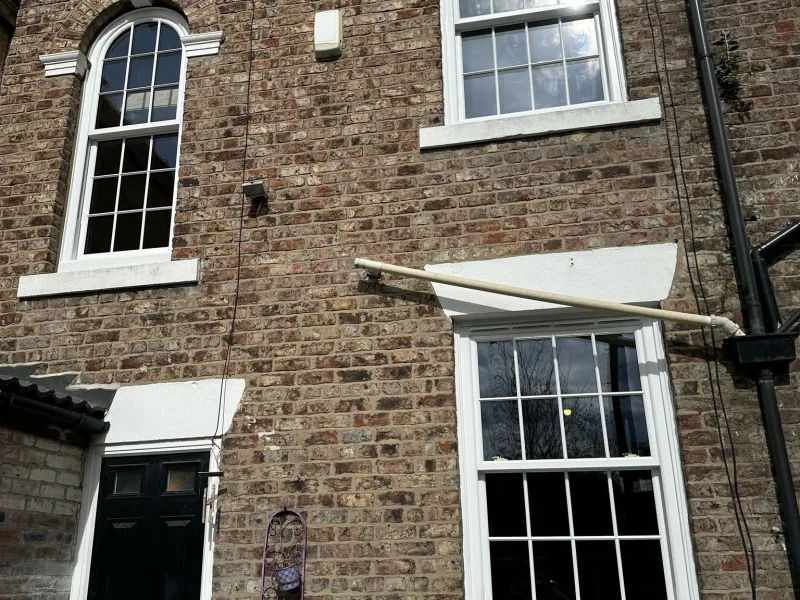
Modern replacement windows are designed to combine thermal efficiency, security and attractive styling. Upgrading outdated windows can help reduce unwanted heat transfer and improve comfort throughout your home.
Direct Windows North East offers a range of window styles, including uPVC casement, flush casement, sliding sash, tilt and turn, and aluminium windows.
The best option depends on the condition of your existing frames, the type of glazing you have, and your property’s requirements.
Explore our range of energy-efficient replacement windows to see your options.
3. Inspect Your Conservatory Doors for Draughts
Even if your roof and windows perform reasonably well, poorly sealed doors can let cold air into your conservatory.
Over time, door seals can deteriorate, hinges can move out of alignment, and locking mechanisms may stop pulling the door firmly against its frame. These issues can create small gaps that reduce comfort, especially in windy weather.
Check around the edges of your doors for noticeable draughts and look for damaged rubber seals. If a door is difficult to close or appears misaligned, it may need adjustment.
When Should You Consider Replacement Doors?
If your existing doors are worn, damaged or inefficient, replacing them could help improve insulation and security.
Direct Windows North East offers a range of doors, including uPVC and composite front doors, alongside patio, French and aluminium bifold doors.
Modern doors combine insulated frames and glazing options with secure locking systems, helping create a more comfortable and practical home.
Explore our replacement doors to find a style that complements your property.
4. Check for Gaps Around Frames and Seals
The condition of your conservatory’s frames is just as important as the glazing itself.
Over time, seals around windows and doors can deteriorate from regular use and exposure to changing weather. Poorly sealed joints may allow cold air and moisture to enter, making the room feel less comfortable.
Inspect the frame edges for visible gaps, damaged sealant, or signs of water ingress. Also look for damp patches or persistent moisture around the joints.
Small maintenance issues may be straightforward to address, but recurring draughts or water ingress could indicate a more significant problem.
If your frames are in good condition, repairing the seals may be sufficient. If they are damaged or no longer fit properly, replacing the windows or doors may offer a more effective long-term solution.
Addressing these issues alongside an insulated roof upgrade can improve your conservatory’s overall performance.
5. Look for Condensation and Excess Moisture
Condensation is common during colder weather, particularly in rooms with large glazed areas.
It forms when warm, moist air meets a colder surface. Everyday activities such as cooking, drying clothes and breathing all introduce moisture into the air, which can become visible on windows and other cold surfaces.
Although condensation does not automatically mean your conservatory is poorly insulated, persistent moisture may indicate that ventilation, humidity or surface temperatures need attention.
To help manage condensation:
- Open windows periodically when conditions allow to encourage fresh air circulation.
- Use extractor fans in nearby kitchens and bathrooms where appropriate.
- Avoid drying laundry in the conservatory without adequate ventilation.
- Wipe away excess moisture and investigate any recurring damp patches.
If you notice condensation between double-glazed panes, the sealed unit may have failed and should be assessed.
Improving insulation with a LEKA warm roof may help address some temperature-related issues, but adequate ventilation remains important for managing moisture.
6. Consider Whether Your Conservatory Has Enough Heating
Sometimes the problem isn’t simply heat loss. Your conservatory may also lack an effective way to maintain a comfortable temperature.
A small portable heater might provide temporary warmth, but it may struggle to heat a large room, particularly if the roof and glazing are poorly insulated.
Before investing in additional heating, consider the room’s overall thermal performance. Better insulation can help your conservatory retain warmth longer, potentially reducing how often you need to heat the space.
You should also check whether existing radiators or heating systems are working correctly and are suitable for the room.
If you are planning significant improvements, consult a qualified heating professional about appropriate options for your property. Any changes to heating systems should comply with the relevant requirements.
Combining suitable heating with an insulated conservatory roof, efficient windows, and well-sealed doors can create a more comfortable environment in winter.
7. Check Your Conservatory Floor and Overall Design
Finally, consider whether cold floors or the conservatory’s overall layout is affecting comfort.
Older conservatories may have floors that feel particularly cold underfoot, especially if insulation beneath the flooring is limited. Poorly sealed doors can also let cold air in, making the lower part of the room feel uncomfortable.
Thick rugs and suitable floor coverings can help improve comfort, although they will not resolve underlying insulation problems.
You should also consider how the conservatory connects to the rest of your home. If there are draughts around the entrance to the conservatory or adjacent rooms, checking the seals and condition of those doors may help.
For persistent cold floors, a specialist can assess whether improvements to the floor construction or insulation are practical. The right approach will depend on the existing structure and the extent of the work required.
Taking a whole-room approach is often the best way to identify the improvements that will make the greatest difference.
Make Your Conservatory Warmer with Direct Windows North East
If your conservatory becomes uncomfortable every winter, you do not necessarily need to replace the entire structure. Identifying the cause of the problem can help you decide whether targeted repairs, replacement windows and doors or a new insulated roof would be most beneficial.
For many homeowners, a LEKA warm conservatory roof is an effective starting point. Its insulated construction is designed to improve thermal performance, helping your conservatory feel warmer in winter and more comfortable throughout the year.
At Direct Windows North East, we manufacture and install LEKA warm roofs alongside a wide range of energy-efficient windows and doors. Our team can help you assess your options and choose improvements that suit your property.
We work with homeowners across Newcastle, Northumberland, Sunderland, Durham and the wider North East, providing tailored advice and quality home improvement installations.
Ready to enjoy your conservatory throughout the year? Contact Direct Windows North East to discuss your project and arrange a free, no-obligation quote.
Latest News
The Ultimate Guide To Energy Efficient Windows
23rd September 2026Why Is My Conservatory Too Hot? How to Keep Your Conservatory Comfortable All Year Round
16th July 2026What Are the Benefits of a New Conservatory?
6th May 2026Why LEKA Warm Roof Systems Are Transforming Conservatories Across the North East
22nd April 2026
Instant Online Quote
Get a Free
Online Quote
Open and honest pricing for our full range of products
Start My Quote